View Transcript
Episode Description
“I came to fight—not to wait and rot in a lousy hole while they murder my pal!”
World War I Through 1925's Eyes: The Big Parade Marches On
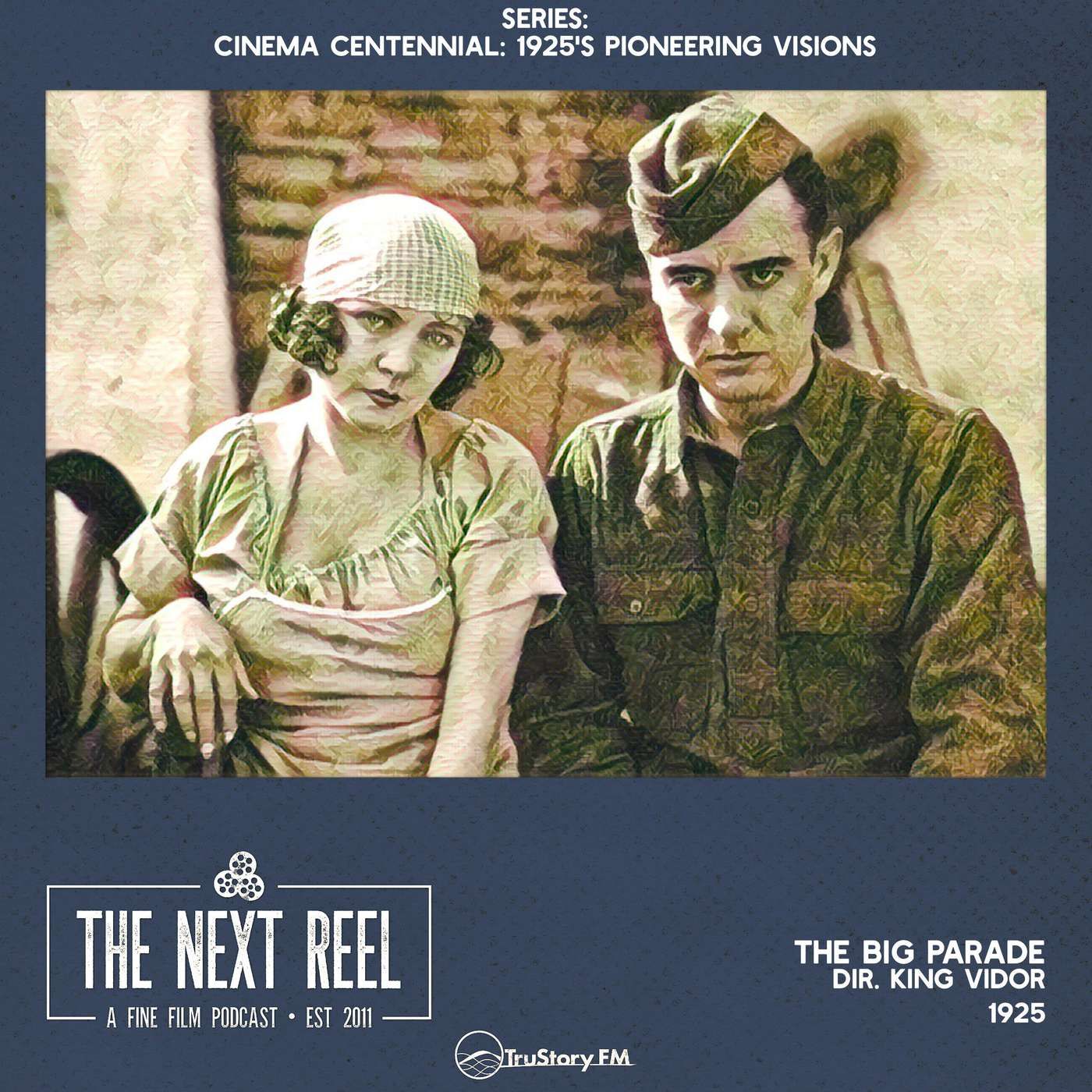
King Vidor's The Big Parade, released in 1925, represented a watershed moment in how cinema portrayed the Great War. Just seven years after World War I's conclusion, the film offered audiences an intimate look at the conflict through the eyes of an idle rich boy turned soldier. With John Gilbert leading the cast, this MGM production became one of the most financially successful films of the silent era, influencing war films for generations to come. Join us—Pete Wright and Andy Nelson—as we continue our Cinema Centennial: 1925's Pioneering Visions series with a conversation about The Big Parade.
A Tale of Two Movies
Pete and Andy explore the film's distinct narrative halves, with Pete finding the first portion "insufferably boring" while Andy appreciates how it establishes character relationships. They discuss how the lengthy setup pays off in the devastating war sequences, though they debate whether the pacing could have been tightened.
Love and War
The hosts delve into the complex romantic storylines, analyzing Jim's relationships with both Justyn and Melisande. They examine how the language barrier between Jim and Melisande creates unique storytelling challenges in the silent format, while also noting some unintentionally humorous moments in their romance.
Technical Innovation and Impact
Key discussion points include:
Andy provides fascinating production background, including how military divisions helped create authentic battle scenes. Both hosts wrestle with viewing the film through modern eyes while acknowledging its revolutionary impact on audiences who had living memory of the war.
We have a great time talking about it, so check it out then tune in. The Next Reel—when the movie ends, our conversation begins!
🎬 Watch & Discover
World War I Through 1925's Eyes: The Big Parade Marches On
King Vidor's The Big Parade, released in 1925, represented a watershed moment in how cinema portrayed the Great War. Just seven years after World War I's conclusion, the film offered audiences an intimate look at the conflict through the eyes of an idle rich boy turned soldier. With John Gilbert leading the cast, this MGM production became one of the most financially successful films of the silent era, influencing war films for generations to come. Join us—Pete Wright and Andy Nelson—as we continue our Cinema Centennial: 1925's Pioneering Visions series with a conversation about The Big Parade.
A Tale of Two Movies
Pete and Andy explore the film's distinct narrative halves, with Pete finding the first portion "insufferably boring" while Andy appreciates how it establishes character relationships. They discuss how the lengthy setup pays off in the devastating war sequences, though they debate whether the pacing could have been tightened.
Love and War
The hosts delve into the complex romantic storylines, analyzing Jim's relationships with both Justyn and Melisande. They examine how the language barrier between Jim and Melisande creates unique storytelling challenges in the silent format, while also noting some unintentionally humorous moments in their romance.
Technical Innovation and Impact
Key discussion points include:
- The groundbreaking battle sequences involving actual WWI veterans
- The film's innovative use of tinting and hand-painted elements
- King Vidor's directing choices and their influence on later war films
- The remarkable performance by John Gilbert, particularly during scenes requiring his leg to be bound
- The film's massive financial success and cultural impact
- How the 1925 audience's proximity to WWI affected their reception
- The significance of showing an amputee protagonist returning from war
Andy provides fascinating production background, including how military divisions helped create authentic battle scenes. Both hosts wrestle with viewing the film through modern eyes while acknowledging its revolutionary impact on audiences who had living memory of the war.
We have a great time talking about it, so check it out then tune in. The Next Reel—when the movie ends, our conversation begins!
🎬 Watch & Discover
- 🎥 See Our Full Conversation on YouTube
- 📰 Silent Film Program from 1925
- 🍿 Watch the Film: Apple TV | Amazon | Letterboxd
- 📽️ Original Theatrical Trailer
- Become a member for just $5/month or $55/year
- Join our Discord community of movie lovers
- Cinema Scope: Bridging Genres, Subgenres, and Movements
- The Film Board
- Movies We Like
- The Next Reel Film Podcast
- Sitting in the Dark
- Main Site: Web
- Movie Platforms: Letterboxd | Flickchart
- Social Media: Facebook | Instagram | Threads | Bluesky | YouTube | Pinterest
- Your Hosts: Andy | Pete
- Merch Store: Apparel, stickers, mugs & more
- Watch Page: Buy/rent films we've discussed
- Originals: Source material from our episodes
- Special offers: Letterboxd Pro/Patron discount | Audible