·E265
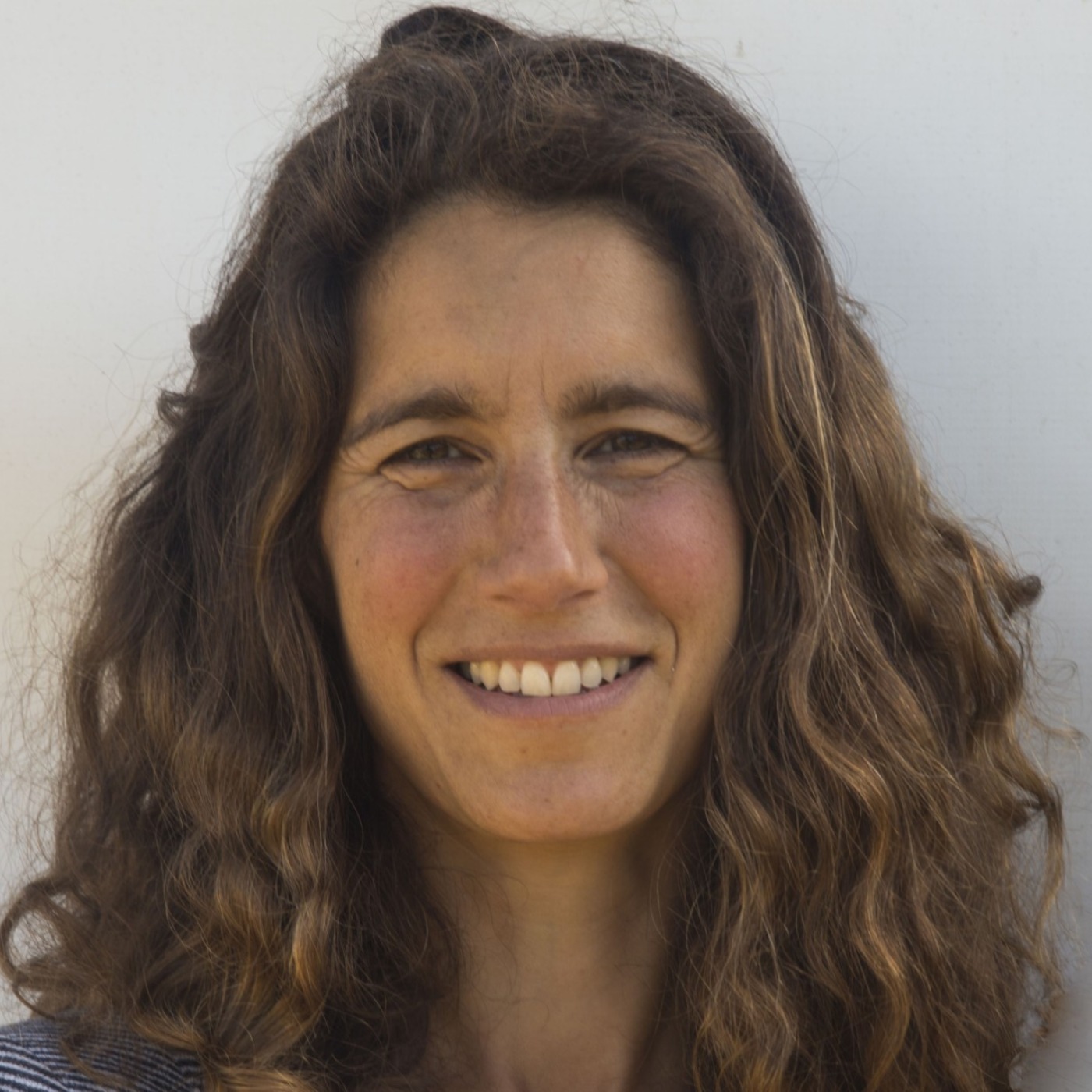
265 - Juliette Baigler: Coaching at the Edge
Episode Transcript
[UNKNOWN]: Thank you for watching.
[SPEAKER_01]: welcome back to the coaches rising podcast.
[SPEAKER_01]: Today's guest is Juliet Begler and I invited Juliet on because someone and our team has worked with Juliet and they said she's just incredible and incredible coach and [SPEAKER_01]: that person also works with Juliet in a coaching organization and they said do it's just invited back to coach more and more and more.
[SPEAKER_01]: The more people work with her, the more they want to work with her, the more they want their teams to work with her.
[SPEAKER_01]: So I just was like, what's Juliet?
[SPEAKER_01]: Who is Juliet?
[SPEAKER_01]: What is she doing?
[SPEAKER_01]: How is she coaching in a way that's having a be in such demand?
[SPEAKER_01]: So that's what we're going to unpack today.
[SPEAKER_01]: We'll talk about Juliet's.
[SPEAKER_01]: work will talk about how she views her role as a coach evolving in our times.
[SPEAKER_01]: We'll talk about the big shifts that Julia went through on her journey that allowed her genius to shine through and I really felt this.
[SPEAKER_01]: palpably as we move through this conversation, there was a palpable felt sense of Juliet's presence and genius as a coach.
[SPEAKER_01]: So we'll talk about how Juliet began to access that and we'll talk about the inspirations in her work where does she feel like she's heading, what a current lines of inquiries she's holding, and [SPEAKER_01]: For those of you that are interested in contacting Juliette, if you feel inspired listening to this conversation, we're going to put Juliette's email on the podcast page in the show notes.
[SPEAKER_01]: You'll be able to find it there.
[SPEAKER_01]: So let's dive in.
[SPEAKER_01]: Here's the podcast with Juliette Begler.
[SPEAKER_01]: Juliette, I'm very excited for our conversation and to put you on the spot again.
[SPEAKER_01]: Yeah, I'm going to say what I just said to you, [SPEAKER_01]: Karim, who many people on this might know because he's done some podcasts who works in coaches rising.
[SPEAKER_01]: He said, you've got to talk to Julia because she's my coach and you know, in this organization where I also work, Julia that's the coach that's just always [SPEAKER_01]: getting invited back to do more work with people, people who've been coached with their want to be coached with their more often.
[SPEAKER_01]: And so, you know, I just was like, I've got a talk to Jill here and by and out who she is and what she's doing with their clients that's having her be in such demand.
[SPEAKER_01]: So I just wanted to put you on the spot a little bit there and see how you are in this moment.
[SPEAKER_00]: It takes my breath away a little bit and to [SPEAKER_00]: I was supposed to, yeah, as I said before, to be in the spotlight, and it feels like an exciting moment to, I suppose, kind of, yeah, to be more visible outside of that extraordinary intimacy of [SPEAKER_00]: And it's also a little daunting because so much of what happens in the coaching engagement just is co-created through that meeting.
[SPEAKER_00]: So I'm also with curiosity about what gets co-created here with us.
[SPEAKER_00]: And hoping that's interesting for the listeners.
[SPEAKER_01]: I love that possibility and I think, yeah, I think, well, let's explore that, huh, let's, could you say a little bit about just, you know, give us a brief overview of what you're doing, like your coach and you know, just tell us about yourself a little bit.
[SPEAKER_00]: Yeah, one of the biggest pieces on my horizon at the moment is parenting, having relocated her daughter from a small community school and some Portugal into a small community school and southern UK.
[SPEAKER_00]: and just being the container tried to be the firm ground on which she can, from which she can leap into a new part of her life.
[SPEAKER_00]: Workwise doing one-to-one coaching, holding group conversations in which coaches or facilitators are making meaning and [SPEAKER_00]: I'm also in the process of preparing an online course, which I've done a few times before with a colleague from the community, as part of importugal, exploring potential for post-capitalist ways of being in the world together.
[SPEAKER_00]: Looking what's already being done and what might be possible for people who are feeling [SPEAKER_00]: So that's a big piece of exciting work.
[SPEAKER_01]: That tees up a question before we explore the work you're doing with your clients, and you actually, I don't love to talk about the groups as well.
[SPEAKER_01]: But how do you see your role evolving in our times?
[SPEAKER_01]: As we just checked in before we hit record, [SPEAKER_01]: remarking on the remarkable world and so what's your sense of what that evokes in you as a practitioner and how you serve your clients and what your clients are needing.
[SPEAKER_00]: I have a sense increasingly of needing to be at the edge of myself, the edge of what I know, at the edge of what I've experienced in order to be available for [SPEAKER_00]: for what is emerging, for what is, I don't know, I've never experienced quite often find myself in coaching conversations, having to pause while some sense that I can't quite locate coalescers into language that I can then offer out without even knowing that really [SPEAKER_00]: I don't know how this is going to sound.
[SPEAKER_00]: Let's get it out and then we'll have a look at it together.
[SPEAKER_00]: And I say it's often, sometimes I even wonder if it's in the drylands, but I actually really don't know that it feels that the the tectonic plates are in such extraordinary flux, kind of economically, sociologically, geopolitically, and as I and we become increasingly aware of the [SPEAKER_00]: the things that I use to take as given, I'm questioning, and that goes for kind of gosh race, gender, identity, profession, vocation, accreditation, everything feels like it's up for [SPEAKER_00]: So, yeah, quite often at the edge of myself in, in one to one and group conversations.
[SPEAKER_00]: Not sure if that answer is question anymore.
[SPEAKER_01]: That's beautiful.
[SPEAKER_01]: There's a lot that [SPEAKER_01]: You know, you said like, you often use that phrase of, you know, I don't know how this is going to sound.
[SPEAKER_01]: I can't remember the exact words you use, but do you find that there are common themes to what you say after that?
[SPEAKER_01]: Or is it that it's, that it's very, of course it's going to be very unique to the person in front of you and you're responding to the connection and the, to them?
[SPEAKER_00]: to what comes through make a very mental articulating this, the things that are difficult.
[SPEAKER_00]: I don't know if there's a thing to the content, I'm just feeling into that.
[SPEAKER_00]: I think if there's a theme it might be in the drawing on kind of big, big narratives [SPEAKER_00]: into direct here and now experience and just checking does that help?
[SPEAKER_00]: Does it help to recognize that we're in a big...
[SPEAKER_00]: It's even hard to say it because sometimes it feels so edgy to say it, but to say something like gosh, we're in the process of recognizing how much we are the colonizers and how much we are colonized and how much our expectations and even our imagination has been formed by [SPEAKER_00]: the expectation that I'm right on the edge now and I'm not quite sure what's going to come.
[SPEAKER_00]: The expectation that the future is planable, the expectation that one will get to a certain point one's career and then retire.
[SPEAKER_00]: My clients mostly seem to be working towards that, but I'm not sure that's a given.
[SPEAKER_00]: And in that moment, I'm not sure if we share the same consensus reality.
[SPEAKER_00]: conversation.
[SPEAKER_00]: And then I have moments of feeling very insecure when I'm waiting to see what how that lands with the client and what they bring back because they might not be questioning our identity as colonizers who were colonized so much before that and maybe don't think our [SPEAKER_01]: You know, I think it's having me think that's why I asked the question about our times and the role we're being invited to play because in a sense, you know, the word coach was formed in a particular time and many, you know, as we've spoken about on this podcast that, you know, did.
[SPEAKER_01]: we're living in a time between worlds to use that often used phrase.
[SPEAKER_01]: And so the deep beliefs, the things we've inherited about what it means to be human, to live a good life.
[SPEAKER_01]: Some of those are being questioned, many of those, and the institutions around them, such as, you know, what, yeah, will I be able to save up my money and retire, you know, or what does it mean to be successful?
[SPEAKER_01]: It's important.
[SPEAKER_01]: There's a couple of things I want to say.
[SPEAKER_01]: One that is it, is it a coach's role to kind of have one foot in our current world and one foot in what is emerging and then, you know, not just play business as usual, but compassionately offer, I don't have its provocation or reflection that, you know, invites the client beyond the current.
[SPEAKER_01]: structures in which they create them, their world, which may be confronting.
[SPEAKER_01]: But in service of something good.
[SPEAKER_01]: So that's one thing.
[SPEAKER_01]: And then the other thing is I think you're beautifully modeling in a sense the way of being that we're being invited into, which is like sense making [SPEAKER_01]: You know, navigate these times and inquire very deeply, it does actually bring us to the edge of the way we construct our world and some of these ways we've codified what things are.
[SPEAKER_01]: And that's a whole, holy embodied affair, you know, like, it's not just rational, we need a whole body and hearts and never system in that.
[SPEAKER_00]: Yeah, we do.
[SPEAKER_00]: And it's my own experience of it is it can feel very destabilizing, which then brings other questions about my role as coach.
[SPEAKER_00]: And I do little inverted air inverted [SPEAKER_00]: The idea of a role in itself feels somehow fixed or already made.
[SPEAKER_00]: And sometimes people come to me, expecting something identifiable as a coach.
[SPEAKER_00]: And if I'm at the edge of myself, I don't feel very identifiable as a coach, but it does feel like a more creative space.
[SPEAKER_00]: because I'm meeting at the edge of what I can articulate in the encounter with someone who's [SPEAKER_00]: Hopefully, absolutely looking for ways to expand perspective to deepen and are knowing, to become more connected with themselves so that they can navigate their path.
[SPEAKER_00]: Maybe that does pop something about my sense of role as a coach.
[SPEAKER_00]: As if a presence or companion [SPEAKER_00]: But people I'm with to be more in touch with themselves so they can navigate their own path.
[SPEAKER_00]: It might be the best of it, Kaleation, I have in this moment.
[SPEAKER_01]: I'm in conversation with people about, you know, almost like a post-systemic consciousness where, you know, I can pick up roles as needed.
[SPEAKER_01]: but I'm not wedded to a particular role.
[SPEAKER_01]: And so there's a more fluidity and a tunement to what's actually appropriate.
[SPEAKER_01]: And I wonder, you know, in a sense, like I'm hearing you speak to the value part of the value you bring to your clients is this, you know, this being at the edge and sense making, could you say more about, [SPEAKER_01]: You know, what is it?
[SPEAKER_01]: What is it you do that you think your clients find most valuable?
[SPEAKER_01]: I know you've been successfully coaching for quite a long time.
[SPEAKER_01]: And, you know, this is your full-time career and you're in demand.
[SPEAKER_01]: Like, what could you say a bit more?
[SPEAKER_01]: What do you, why do you think your clients value you so much?
[SPEAKER_01]: What are you doing?
[SPEAKER_00]: I'm not sure it's one thing.
[SPEAKER_00]: I think there is, there is something in a way of being, offering a way of being, in relationship and that allows [SPEAKER_00]: for a kind of an expanding of the vessel that one individual being one individual psyche is offering a meeting that allows an expansion of that vessel.
[SPEAKER_00]: where the person I'm working with, their inquiry, their need, their question, or even just their exasperation at how annoying the day has been, has more space to unfold than it can be seen.
[SPEAKER_00]: maybe a bit of compassion coming to it.
[SPEAKER_00]: Maybe it's just a kind of a venting and they feel kind of discharged at the end of it.
[SPEAKER_00]: Sometimes there's a meaning making.
[SPEAKER_00]: A piece of feedback I quite often get is, ah, you're doing that silence thing again.
[SPEAKER_00]: Which comes as a surprise to me because I don't have a sense of doing a silence thing.
[SPEAKER_00]: But sometimes [SPEAKER_00]: but no language comes, and then it's just being with what's there until there's an energetic shift either in my body or in the person I'm working with the body or just in the space between and numbing move on.
[SPEAKER_00]: So in that way, it's one of my doing kind of a relational dancing energy practice with language.
[SPEAKER_00]: Sometimes it's just really pragmatic practical stuff.
[SPEAKER_00]: I was with someone this morning, when he's quite early in his career, and we talked about ambition.
[SPEAKER_00]: And I, I just asked the question something like, um, do you, um, uh, I've got about how I folded it, but I was basically asking kind of what, what's that about?
[SPEAKER_00]: What's the ambition about?
[SPEAKER_00]: And it had been such a given for him that ambition is a good thing to them, the asked to unpack the idea of ambition was a new thing.
[SPEAKER_00]: and quite a vulnerable thing because it suddenly did that question, the value of ambition, don't know, so it was also allowing a certain awkwardness that just arises from curiosity, not interrogating, not to have someone just to find their position, but just to be able to bring light into, bring a question into what's been taken for granted.
[SPEAKER_00]: I don't know, what are you here?
[SPEAKER_01]: Well, again, I'm struck by what it's like to be in connection with you.
[SPEAKER_01]: And there's a way in which I feel you inquiring into the questions I'm asking you.
[SPEAKER_01]: You know, it's like you're modeling a mode of being which, um, [SPEAKER_01]: You know, it's sort of everything you're sharing with me feels kind of fresh and like you're really inside of what you're talking about So that it's not Stale but there's a kind of freshness to it like I said and so I'm here.
[SPEAKER_01]: So that's what I'm struck by and then I'm curious [SPEAKER_01]: You know, as you talked about relational dancing, and I think you said, like, I think you said at energy management with language or through language, you're like, could you say more about that?
[SPEAKER_01]: And in a sense, like, I'm curious.
[SPEAKER_01]: One of the questions I love exploring with people is, like, what are you tracking?
[SPEAKER_01]: I'm hearing a tuneman.
[SPEAKER_01]: I'm hearing in a sense, like, you're a tuning to the client.
[SPEAKER_01]: And there's a kind of attitude of curiosity.
[SPEAKER_01]: Could you share more about that and what are you, what do you track in the moment with your clients?
[SPEAKER_01]: And again, I know that could be like, well, it's really like many things and it's very unique, but I love to kind of see if there are patterns to what you're tracking.
[SPEAKER_00]: Yeah.
[SPEAKER_00]: Sometimes I'm tracking my own breathing, [SPEAKER_00]: um my own um kind of nervous state, and then checking, either making it transparency, oh gosh, I've stopped breathing now.
[SPEAKER_00]: Are you breathing?
[SPEAKER_00]: Um, or, [SPEAKER_00]: If I notice I've stopped breathing, I have a sense of caution.
[SPEAKER_00]: And I feel like I'm on edgy territory inside myself.
[SPEAKER_00]: And then off of that back, does, is that what it's like for you?
[SPEAKER_00]: Or, am I not, I might not make that reveal?
[SPEAKER_00]: I might just ask, you know, how is it in your body right now?
[SPEAKER_00]: But what do you notice in the question comes from, [SPEAKER_00]: that tracking my own system, if we are, if we can see each other.
[SPEAKER_00]: then sometimes I can actually, you know, through the either physical presence or just through the zoom image, just say, okay, you haven't moved for a while, what's going on?
[SPEAKER_00]: So, tracking the the physicality of the other, some of them have to check, it has zoom frozen, or are you, you know, that attack issue or something else happened.
[SPEAKER_00]: And whether the language being used in the content feel harmonious or dissonant, the first, this is one thing that was told in when I was training, like it's all in the first session.
[SPEAKER_00]: So in the first session I write a lot, [SPEAKER_00]: before we've gone into content, that might also come back as something really significant for the content we're working in.
[SPEAKER_00]: Either just in something in the language that's being used, or a parallel process, all right, you checked in with this as what's happening with your daughter.
[SPEAKER_00]: And now you're telling me how you're working with the colleague.
[SPEAKER_00]: Do you notice anything about how is there an echo [SPEAKER_00]: Cracking themes between conversations, so if it's a longer coaching engagement, either over years or just a number of sessions, are we looping?
[SPEAKER_00]: Is there a similarity in challenge?
[SPEAKER_00]: Is there a total disconnect?
[SPEAKER_00]: Gosh, that's interesting.
[SPEAKER_00]: What happened there?
[SPEAKER_00]: That was such a big thing before.
[SPEAKER_00]: Where is it now on your horizon?
[SPEAKER_00]: As I talk, as I speak it out to, I notice how many threads there are.
[SPEAKER_00]: Yeah.
[SPEAKER_00]: And right now, as I talked to you, I noticed I still have a bit of performance anxiety.
[SPEAKER_00]: So that might also be something that I offer back in a conversation, like, do you have a sense of that?
[SPEAKER_00]: Do you have a sense of somehow needing to be the right thing for the moment?
[SPEAKER_00]: So yeah, another way of using my experience of the moment to see if is that just me?
[SPEAKER_00]: Or is that?
[SPEAKER_00]: am I picking am I resonating with something that's in the field we co-creating?
[SPEAKER_01]: Yeah, yeah, and I love the, you know, I can feel the potential first to explore that, you know, like, oh, is there something in me right now that's feeling like we need to get, you know, to get to somewhere or to have a good podcast or something.
[SPEAKER_01]: I won't do that.
[SPEAKER_01]: What I actually really want to highlight is how I love how you're speaking about that you're just revealing your own experience in connection with the client and that it seems to me that that can reveal so much in terms of maybe if I frame it like this there's [SPEAKER_01]: You know, there's ways we can talk about change and transformation and things I want in my life and we can explore how that's showing up now and that's really powerful, but it's also really powerful when we start to connect to like what's what's it like in the moment to be in connection with the client and how they're showing up with me?
[SPEAKER_01]: And so I'm hearing that there's a possibility for that as you're sharing your sense of connection with the client but not with this is how you are but it's more it's always with a kind of curiosity.
[SPEAKER_00]: I'm just checking like so yeah I'm very aware that the [SPEAKER_00]: the conversation I'm having with that person is just one conversation that all that they'll have in that day in that week in that month and it can feel like there is that there's continuity through a coaching relationship that develops in deep and over time and it's still only one angle of that person's life.
[SPEAKER_00]: So there may be intimacy and depth and warmth and expansiveness that shows up in a coaching conversation.
[SPEAKER_00]: It doesn't say anything about who they are in another relationship.
[SPEAKER_00]: And I have to keep remembering that because working with people over years it can feel like we know each other, but it's one channel, it's one thread, so I have to stay curious [SPEAKER_00]: be so naive.
[SPEAKER_00]: But maybe not, maybe there is something very profoundly true in that connection.
[SPEAKER_00]: I trust that there is, but I also trust that it's partial.
[SPEAKER_00]: It's just one.
[SPEAKER_01]: Yeah.
[SPEAKER_00]: Yeah.
[SPEAKER_01]: Yeah.
[SPEAKER_01]: There's something about how contextual we are, you know, you know, the way I shot with my daughter and [SPEAKER_01]: My stepson and my wife and my colleagues, you know, there's a, and the danger of, you know, assessing people seeing them in one place and assessing that that's how they are, you know, because I, you know, that's often what I hear is like how you show up and now is how you show up everywhere.
[SPEAKER_01]: And I think there's a truth to that too, but it's, the whole thing's lightly, what, what's it?
[SPEAKER_01]: To, I get very curious, what do you think is the shift you made that open you into being a better coach?
[SPEAKER_01]: And yeah, let me, I've got a second part to that question.
[SPEAKER_01]: Well, let me, is it, it may probably it's like many things incrementally over time, but I wonder what the shift was that few that allowed you to do deeper coaching.
[SPEAKER_00]: As you are, there are different pieces that sort of stand out as I kind of stand back over my biography.
[SPEAKER_00]: There was, I think, a big piece about letting go of attachment to what should happen in a coaching session.
[SPEAKER_00]: sometimes it still gets me sometimes I'm so moved by what's happening that I really want to help and then I think there's a there's a danger for me of collapsing in on the space between and and I find the space between so enormously productive.
[SPEAKER_00]: So loosening that attachment to what I think a good coaching conversation is aware I think what I think I want to get us to [SPEAKER_00]: And I think outside of the, and actually this is related now, I think outside of the, a very particular craft of coaching.
[SPEAKER_00]: There are pieces that I think have helped me to feel significantly safer as a human being on earth.
[SPEAKER_00]: and that have helped me to offer a more expansive presence in the coaching conversation.
[SPEAKER_00]: One of the piece I'm thinking now is, I remember a point, maybe 13, 14 years ago, where I [SPEAKER_00]: I was experiencing high anxiety, and I thought I'd just have a go at connecting with the elements and thank you for being here.
[SPEAKER_00]: And I felt so kind of white and western and awkward in it.
[SPEAKER_00]: But I started to thank the water that came out the shower.
[SPEAKER_00]: I crossed over the [SPEAKER_00]: Thank the earth for holding me, thank the air for being there and putting space between things and for all of the elements for giving thanks for the opportunity to incarnate and experience this extraordinary earthly arrangement.
[SPEAKER_00]: And I think that it attended to something of a very early wound in me that had me running on the belief that I need to somehow earn my welcome, which I think also then came into my facilitation and coaching work as I have to do a good job in order to earn the fee.
[SPEAKER_00]: keep people happy and it sort of just allowed me to be to be with a greater sense of I'm part of the whole.
[SPEAKER_00]: I'm welcome just by virtue of being here and now how do I, I think from there [SPEAKER_00]: um, that went something like, um, how many to be, um, part of the unfolding of the most mutable dream of this earth, come through me in a way that helps that to be.
[SPEAKER_00]: I don't always remember to do that, and sometimes I'm really insecure in my welcome on earth.
[SPEAKER_00]: but those practices of thanking the elements, making a prayer that what comes through me is observist to this extraordinarily beautiful and complex arrangement.
[SPEAKER_00]: That made a big difference, I think.
[SPEAKER_01]: I think you're answering this, but it doesn't make me want to ask like, what was that difference?
[SPEAKER_01]: Could you say more about that?
[SPEAKER_01]: I know you said, yeah, there was a maybe attention of not feeling fully welcome that maybe I was bringing into my coaching, but I think we're in very profound territory here.
[SPEAKER_01]: I wonder what it brought to your coaching.
[SPEAKER_00]: Probably greater ease and trust in silence and trusting that silence and space are not empty then it avoids.
[SPEAKER_00]: spaces for which something will arise and I don't have to do something to make that arise.
[SPEAKER_00]: I need to show up and I need to show up as fully and with as much humility and sincerity and integrity as I can.
[SPEAKER_00]: But if I try, then the trying is somehow a betrayal of the potential for what we can co-create through [SPEAKER_00]: but maybe not dead it, probably before.
[SPEAKER_00]: And there must have been enough of that before to allow it to deple, or maybe there wasn't, I don't know, it's a sort of insight that as I shine the light on it, it's become harder to see.
[SPEAKER_01]: Do you think this is in a sense your...
[SPEAKER_01]: calling, like, you know, is this, is this we talked about soul before we hit record and if I reflect a little bit, like what I feel and here is in a sense, like you started to connect to something very deep and something that moved you, that's something that was very much about your deepest cares and something bigger than you that connect [SPEAKER_01]: And there was a sense of intelligence in the frequency of all of that that came through you as you met with your clients.
[SPEAKER_01]: And I wonder, you know, my take on that would be like, oh, this is Julia's unique offering as a coach.
[SPEAKER_01]: The more she embodies that, and journeys with that, the probably the less that she feels like she's doing, and the more impact she has.
[SPEAKER_00]: Do you ask the question, and memory came to me of a conversation I had [SPEAKER_00]: um, who works as a spiritual guide, um, and nexus as I did with her, well, we were invited to, um, I'm a ask and then declare, you know, what's, what's the soul here for now?
[SPEAKER_00]: Um, and what came to me was, [SPEAKER_00]: And I'm not going to say something that might feel a bit naked in public about afterwards.
[SPEAKER_00]: What came to me was, you know, I'm here to be part of a remembering and a restoring and a making a stand for the divine feminine.
[SPEAKER_00]: and in that encounter with the divine feminine being up to give more trust and love into what is pre-form, what is pre-articulated, what might look and feel very buggy [SPEAKER_00]: and to them be with it for myself to be more gracious with my own phases of feeling like I'm [SPEAKER_00]: And maybe that does come back to do the idea of soul and growth of soul.
[SPEAKER_00]: If I can let myself, I don't know how to use the kind of melts out of ideas of what I am, who I am, and allow life to work through me.
[SPEAKER_00]: Then I will regain form.
[SPEAKER_00]: And then there'll be another round of of generativity, of creativity, of co-creation.
[SPEAKER_00]: And that's not going to last.
[SPEAKER_00]: There will be another melting required.
[SPEAKER_00]: So is it vocation?
[SPEAKER_00]: I think it is vocation.
[SPEAKER_00]: It's being called to be in relation to to take form to lose form to [SPEAKER_00]: holds knowing lightly.
[SPEAKER_00]: And I think, is that vocation?
[SPEAKER_00]: Yes, I think I, when I can be faithful to that, even if it's sometimes disorientating, I don't, I don't find myself grasping.
[SPEAKER_00]: If I lose faith in that, then I can find myself gross and you think, oh my goodness, I really maybe I really do need to create a website and other this and other that and I think the improv file and those things come from a sense of inadequacy rather than a confident positioning myself in the world.
[SPEAKER_00]: Does that make sense?
[SPEAKER_01]: Yeah, it does.
[SPEAKER_01]: Yeah, very much, very much.
[SPEAKER_01]: Yeah, I'm touched by the way you describe it and I think it's interesting as you articulate this, it's like it's the, you know, I, you know, I'm here with you in this live conversation, I'm curious how this shines through to people listening, but I think it will, but it, because I hear that from people who listen, but it, that's, you're helping me to, [SPEAKER_01]: tune in more to like oh what's this frequency I feel with Juliet that's here that's palpable and inviting me into a particular space so so it makes sense what you say to me and I'm struck by how let me see like you know my bias is that um this is something possible for us [SPEAKER_01]: And that one of the invitation of our times is to, you know, I'm always cautious about, it's a bit kind of a little bit arrogant to say the invitation of our times like I, like I really know that, you know, but it feels a little safer ground to say my bias, my preferences, like that, [SPEAKER_01]: This is a place we can, this place of moving beyond the parts of us that want to, you know, I need a website or I need to do this or that, but that we can move beyond that into a space of, um, and sold expression, which isn't motivated by the same things and has a qualitatively [SPEAKER_01]: that the other thing that strikes me Juliette is when I ask people this question, you know, what moves you as a coach, you know, sense that's kind of where I'm struck by how there is just like utter uniqueness about the answer, you know, it's like so, so individual, it's so [SPEAKER_01]: And so there's a kind of like matter theme and I think I do think it is in our of our times that we're moving into this space that you're describing and that the feminine is a really it's been a you know a quality that's been marginalized and is coming to the center and holds many gifts for the way we move we could move through this.
[SPEAKER_01]: Yeah.
[SPEAKER_00]: Hey, there are two things in my mind.
[SPEAKER_00]: One is as you are feeding back to me, the experience of the conversation and that sense of being invited into a particular space.
[SPEAKER_00]: I'm wondering if you can give more language to that.
[SPEAKER_00]: What is your sense of the space you're invited into?
[SPEAKER_00]: What happens inside you?
[SPEAKER_00]: What's that like?
[SPEAKER_01]: Yeah, it's so you talked about silence, first of all, it's like I can feel a palpable sense of silence, not as an uncomfortable kind of, you know, like space between things, but actually as a kind of container, you know, within which things are arising, which allows for a certain pace of [SPEAKER_01]: consideration.
[SPEAKER_01]: You know, like I feel very relaxed in terms of just being at the edge of what we're sensing together.
[SPEAKER_01]: So that's, I think the most striking thing, it's like, I see, yeah, the way I see you responding to the questions I'm asking.
[SPEAKER_01]: But it's, but it mostly, it's this [SPEAKER_01]: sense making and silence being a key part of that.
[SPEAKER_01]: I think it's the last thing I think it's the frequency that that's the key is like it's not a rational intellectual space, but it's a felt sense of this container.
[SPEAKER_00]: Thank you.
[SPEAKER_01]: You said something about groups and helping people make meaning of what they do.
[SPEAKER_01]: Was that coaches you were referring to?
[SPEAKER_00]: Um, not only, but including out.
[SPEAKER_01]: Yeah.
[SPEAKER_01]: I'm imagining you bring some of the same skills and ways of holding that space, but could you say more about why do you have those groups?
[SPEAKER_01]: Why are they important?
[SPEAKER_00]: I mean, at the top level, kind of superficial level answers, I have those groups because people ask for them, [SPEAKER_00]: Um, in the past, team leaders of us of them and I, people have said to me something like, um, I, I want your eyes on on the team or I, uh, I think, can you hold this base for us?
[SPEAKER_00]: Um, and I think there's something with a question, [SPEAKER_00]: So there are different levels, I think, I think, sometimes coaching, it can be an individual strand between, you know, as this conversation is, it's one strand between us, and to have a gathering of coaches, a gathering of facilitators, [SPEAKER_00]: where the practitioners can land in a group of peers and share their experience without having to [SPEAKER_00]: And what's the word without having to serve any other function or any other purpose?
[SPEAKER_00]: So in a way, holding a space in which people can come out of role with other people who wear a similar role.
[SPEAKER_00]: I think offers an opportunity to be together in our humanity, to be nourished, to be nourished [SPEAKER_00]: I don't know how to gender this craft person would.
[SPEAKER_00]: And in some way, just to feel simply less alone in the work, less alone in the world.
[SPEAKER_00]: I think that's always...
[SPEAKER_00]: I think it's always helpful.
[SPEAKER_00]: Yeah.
[SPEAKER_00]: I guess the people who don't find help that won't show up.
[SPEAKER_01]: So in a sense, I'm hearing maybe there's not like a curriculum for the group so to speak as much as it's about coming together and being, you know, in presence together, yeah, we're often there are coaches there and it's, you said, like, making, making meaning.
[SPEAKER_01]: So it's, is it engaging in this, you know, what's most alive for me or [SPEAKER_01]: what is something I'd like to bring into the space and then you're doing that collectively and there's a kind of intimacy and shared and folding that can take place in the group.
[SPEAKER_00]: Yes, and I have a learning agenda for those spaces.
[SPEAKER_00]: I want to feel like I'm learning, and I hold the bias that learning is a good thing, and that doing it together offers more richness.
[SPEAKER_00]: the doing it alone, alone, and then if I think what do I mean by learning, it's something about expanding our cognitive frameworks, expanding our ability to metabolize what's happening in our body, in our emotions, and in our patterns of thinking in relation to either the work [SPEAKER_00]: expansion and wholeness healing, probably in any space that I'm holding, even though there might be other, other agendas running.
[SPEAKER_00]: That's an agenda of bias that I take with me.
[SPEAKER_01]: It's beautiful how you've just kind of coalesced several kind of open questions into one phrase.
[SPEAKER_01]: So you said expansion and wholeness and healing.
[SPEAKER_01]: I'm wondering how they connect.
[SPEAKER_01]: I think expansion is an interesting one because it seems like [SPEAKER_01]: we can, it's a core kind of function of being human, like we can contract and reify our experience, which creates a certain way of being in the world.
[SPEAKER_01]: Oh, there's a way of expanding out, opening to expanded states.
[SPEAKER_01]: And I'd love actually rather than me saying what I think, actually, just to kind of ask you, what are those things?
[SPEAKER_01]: Why are they important and how, how do you go about them?
[SPEAKER_01]: And it brings up the question around the difference between therapy and coaching, which I'll just see now and then I'll bring in more explicitly as a question if we don't get there naturally.
[SPEAKER_01]: Yeah, what are those things to expansion, wholeness and healing?
[SPEAKER_00]: and look at those, those languages, those concepts, those functions.
[SPEAKER_00]: I have a sense that, you know, as human beings, we are potentially lost that the human heart is a complex beautiful, potent thing.
[SPEAKER_00]: and I don't always go about my day-to-day business knowing and living that, so there's something in my sense of expansion and healing that feels like it's about remembering, remembering who I am, who we are, remembering maybe from before we came into the conversation before we came into this [SPEAKER_00]: What an extraordinary time to incarnate.
[SPEAKER_00]: What's my part?
[SPEAKER_00]: How, how in my life am I working with some of the matter hustles of patriarchy and capitalism and colonialism and all package of modernity, I chose to come into this, gosh, that's an extraordinary choice.
[SPEAKER_00]: What's, how to be a generative in that generative together if we chose to come and there's an assumption I'm making that we chose to come into this lifetime.
[SPEAKER_00]: at this time.
[SPEAKER_00]: And you and I chose at the same time, so somehow we chose to come together.
[SPEAKER_00]: What's the potential of me, of us, of us in the work we do?
[SPEAKER_00]: So it's in that way kind of [SPEAKER_00]: getting my daughter to school, for which no one gave me a medal and sometimes it needs a medal.
[SPEAKER_00]: And then, you know, doing all the domestics and operating on that very kind of kind of perfunctory plane of organising matter.
[SPEAKER_00]: But actually, if I and we are these vast beings, [SPEAKER_00]: What's possible, I mean, even just like, how does it improve my getting my daughter's called as my remembering that I'm a vast being?
[SPEAKER_00]: And I have a lot of wounds that stop me remembering that I'm vast.
[SPEAKER_00]: And that my ego will kind of shrink around and have me shrinks, so I don't show up as big just in case something happens or [SPEAKER_00]: And so it's a, I feel happier and more connected to life when I have that bigger, bigger way of knowing myself and relating to others.
[SPEAKER_00]: And I think then I can be a more effective participant in creation.
[SPEAKER_00]: So that's kind of yeah, big answer to the question.
[SPEAKER_00]: How does that sound?
[SPEAKER_01]: I love it.
[SPEAKER_01]: Do you work with that dynamic with your clients?
[SPEAKER_01]: I'm imagining so, I say that because this is something I commonly notice with my clients where they might be something they're coming at the topic where there's a challenge and then that challenge [SPEAKER_01]: is a pathway through to the expansion.
[SPEAKER_01]: Often there's a kind of secondary reaction to the challenge where they want it to go away and they don't like it and if they feel like it's in the way.
[SPEAKER_01]: So there's a polarization and so we can kind of start to create a space where it can just land and they can kind of disidentify from the parts that want to solve the challenge [SPEAKER_01]: flow where expansion can begin to unfold.
[SPEAKER_01]: And I wonder if you notice similar things if you work in that way with your clients.
[SPEAKER_00]: I notice similar things in terms of [SPEAKER_00]: an expansion being possible when I, I, we can hold the challenge as a, the challenge that the person I'm working with is experiencing that iPhone.
[SPEAKER_00]: We can hold that as an opportunity for expansion, and I can bring in that perspective of this piping opportunity, let's have a look.
[SPEAKER_00]: a bigger picture of actually what you do in Carnate form.
[SPEAKER_00]: It's much more rare that I bring that in.
[SPEAKER_00]: And I think it comes up in this conversation because it's possible between us.
[SPEAKER_00]: It's not always accessible in a coaching conversation.
[SPEAKER_00]: And maybe that takes, takes you back to something I'll do in our conversation about the experience of being at the edge of myself.
[SPEAKER_00]: You know, do you dare bring in the incarnation question?
[SPEAKER_00]: And then trusting, if it's come to me in this moment, it must be possible to bring it in without blowing the container.
[SPEAKER_00]: And by blowing the container, I mean, well, if that's just going to be a so far outside of the frame of reference at the person I'm talking to has, and then the conversation might just be scuppet.
[SPEAKER_00]: But if I trust that it wouldn't have come to me unless the container can hold it, [SPEAKER_01]: And I love this.
[SPEAKER_01]: This is, yeah, it's like a pre-trans thing going on.
[SPEAKER_01]: Ken Wilbur has had this free pre-trans file.
[SPEAKER_01]: So if you're not careful, if one is not careful, earlier on in your journey, you can bring all kinds of things in our projections and your own agendas and that's not serving the client.
[SPEAKER_01]: You know, you're going to this midspace where you're cohearing to the training you've gotten, but it can dead and your access to the what you're describing so beautifully.
[SPEAKER_01]: And my sense is one of the one of the openings into mastery is when we open back into that kind intuitive space, but it's not, but we've matured enough that we're not projecting or [SPEAKER_01]: You know, there's not transparency going on with our clients.
[SPEAKER_01]: It's just like we can trust that knowing.
[SPEAKER_01]: We've our perception is a tune enough that we can bring it in.
[SPEAKER_01]: And it's where we access our genius and the magic.
[SPEAKER_00]: As you say that, I noticed that I tripped over a bit with the mentions of projection and transference.
[SPEAKER_00]: I certainly still have to check whether something has resonance just to check.
[SPEAKER_00]: Am I in a tune-Mond or am I in projection?
[SPEAKER_00]: Yeah, so I need to stay current with the checking.
[SPEAKER_00]: But there's something else that's coming to me about the...
What is possible within our language within our minds as they've been trained by our culture?
[SPEAKER_00]: We have really useful labels for a human projection and transference.
[SPEAKER_00]: And I have a sense that they are useful in staying awake to ourselves, and that maybe they're also limiting, and just part of the limitation of our language that doesn't allow us [SPEAKER_00]: of what happens in the space between us and what happens in our connection with the wider field, with the air, with that I've got an octuary on my window that I'm just doing, you know, what I have no idea what happens to me.
[SPEAKER_00]: or comes through me that is in relation with the wider environment.
[SPEAKER_00]: I don't have a clear idea of that because of the training I've had and how to think and be a human in Western European culture.
[SPEAKER_00]: So I notice I have both appreciation and then a suspicion of the language.
[SPEAKER_00]: And also a hunger for gosh, how do I get beyond my own thinking patterns, my own linguistic access?
[SPEAKER_01]: You know, it's beautiful Juliet.
[SPEAKER_01]: So let me share something when I shared that comment about projection and transference.
[SPEAKER_01]: Inside of that for me, there's a little, um, almost like inherited, [SPEAKER_01]: part, sitting on my shoulder that's like, um, you know, it's a, I could like describe it.
[SPEAKER_01]: But it's, it's inherited.
[SPEAKER_01]: It's, you know, it's coming a little bit from people I've spoken to who've brought that challenge to the field of coaching.
[SPEAKER_01]: Um, and it doesn't, something about it doesn't quite sit right in me.
[SPEAKER_01]: And I, I just wonder if you picked up on that.
[SPEAKER_01]: So not only you brought a great [SPEAKER_01]: And the paradigms we find ourselves within, you know, like the therapeutic paradigm which without those terms were born from, you know, it's also limited with the gifts it has, it's also limited and so that's a beautiful challenge and I wonder if you picked up a little bit on the kind of slight dissonance with how it was sitting within me.
[SPEAKER_01]: Well, let me see if that anything comes up and then we couldn't take the kind of inherited systems exploration a little bit further.
[SPEAKER_00]: It's a really beautiful question, thank you.
[SPEAKER_00]: The top line answer, I don't know.
[SPEAKER_00]: And I just noticed I felt the dissonance inside myself and I thought if I don't speak to that, then I'm going to be in some strange, [SPEAKER_00]: contortion in order to let the conversation flow, but that with somehow be a betrayal of the conversation, so I'll bring it.
[SPEAKER_00]: And in you saying, ah, you had that.
[SPEAKER_00]: So maybe I was, maybe it, I was picking up on something, but I didn't know I was picking up on something until you said it.
[SPEAKER_00]: So maybe it was a resonance, and maybe it's a co-urizing.
[SPEAKER_01]: Yeah, and in a way it doesn't really matter exactly what it was, but just what you modeled for me is what I aspire to modeling in my coaching and I think I do at times and it's like, yeah, you in a way you actually.
[SPEAKER_01]: Demonstrated what you were saying, which is like, I felt this thing and I didn't let it go.
[SPEAKER_01]: I didn't just let it go.
[SPEAKER_01]: Like I brought it in in service of the connection.
[SPEAKER_01]: And it would have somehow felt inauthentic.
[SPEAKER_01]: Maybe that's not quite the right word, but if we'd continue, it would have felt like a contortion.
[SPEAKER_01]: So this is a capacity, I think, we can bring to our clients.
[SPEAKER_01]: and so that's that's beautiful and then just coming back and it kind of goes back to the therapy coaching boundary question that I brought which is you know the word coach even feeling too small you know in a sense like what are the notions of what it means to be a coach that we inherit from the trainings and modernity and that's one of the questions we get [SPEAKER_01]: a lot in our trainings, you know, like, but this feels like we're moving into therapy.
[SPEAKER_01]: You've said the word healing.
[SPEAKER_01]: How do you hold that?
[SPEAKER_00]: There are some conversations where I'm aware that the we, whoever the we is in a moment, are leaning out of [SPEAKER_00]: the terrain prescribed by the initial contract and then I will pause and check you know we are right on the edge of what this coaching contract has set up for us.
[SPEAKER_00]: Do you want to go into that place and I think if someone who is [SPEAKER_00]: You know, her mother had died, and a lot was moving through her, another person who was working with some PTSD from spinal surgery.
[SPEAKER_00]: Both these people are school leaders, all leaders in the school system.
[SPEAKER_00]: If they feel well enough in our togetherness to go beyond the prescription of how the coaching was offered to them by the people that employ them.
[SPEAKER_00]: There are other coaching relationships which are I, we feel so mature in it that the [SPEAKER_00]: can drop very quickly out of the arena of how does this person navigate their day to day?
[SPEAKER_00]: And we might explore much more kind of my new somatic experiences [SPEAKER_00]: the end of the coaching at the time it's been allocated for it and then coming back off and checking how how does that inform?
[SPEAKER_00]: All and just giving enough time to come back into a mode of being where it's more like okay now we're back in daytime consciousness.
[SPEAKER_00]: Are you ready to reenter?
[SPEAKER_00]: So that's kind of the practicals of how I hold it.
[SPEAKER_00]: Ethically, I suppose it's also touches on the ethics.
[SPEAKER_00]: I suppose one thing that does feel important to say, I know there are areas that are aware of beyond my skill.
[SPEAKER_00]: I know that I am slow to sport depression.
[SPEAKER_00]: And if there are patterns that come up in the conversation that I feel like I'm just I'm not penetrating we're not penetrating this then I'll say you know this is I don't feel like I can I'm helpful here and please will you go and and find another another avenue going find a therapist to work on this.
[SPEAKER_00]: So it feels important there to be in integrity with where I can accompany.
[SPEAKER_00]: And maybe also to say, look, I can accompany that.
[SPEAKER_00]: I'm not a therapist.
[SPEAKER_00]: So there will be things that I won't say that I won't know.
[SPEAKER_00]: Do we go into the exploration together?
[SPEAKER_00]: And then there's a conversation there.
[SPEAKER_00]: and there's a whole other piece in me about what does it mean to be accompanying other human beings through through the day-to-day or the year.
[SPEAKER_00]: What is the language we give it?
[SPEAKER_00]: What are the labels that will somehow give us currency in the world?
[SPEAKER_00]: And are they just [SPEAKER_00]: And I have to say this, it's like, is it a possible into the conversation and then the conversation goes where it goes, and there are times where I have a sense of, you know, we are so far off-peast of what might be considered conventional coaching, but this is the conversation that is being cool for right now.
[SPEAKER_00]: And if I have a sense that there's enough trust, [SPEAKER_00]: to go in and also to know when to say, okay, I need to pause here, either of us, I need to pause here because I'm not breathing because I don't feel safe because this is low my mind and I've got a meeting to go to whatever it is that stop is always an option.
[SPEAKER_00]: That for me feels [SPEAKER_00]: boundaries of disciplines.
[SPEAKER_01]: And do you think your sense of spaciousness, or your atonement to space, is important in everything you just described, as in [SPEAKER_01]: Maybe that's a guide, you know, that if you feel like you encounter something that you don't, a pattern that you feel like I'm not able to kind of support with this or [SPEAKER_01]: Maybe you start to feel a disconnection from that sense of space and that's a moment to say like, oh, I can feel now, maybe over my edge or yeah, not in the service if I carry on here to my client.
[SPEAKER_00]: Yes, yes, absolutely.
[SPEAKER_00]: checking, checking is you're right in this conversation.
[SPEAKER_00]: Are you breathing?
[SPEAKER_00]: Let's pause for a moment.
[SPEAKER_00]: Is there anything that you need now before we go any further as an alternative to going any further?
[SPEAKER_00]: And I think this is where understanding a bit of how we show up in states of trauma to certain importance, recognizing that how easily one could nod and say yes and continue.
[SPEAKER_00]: If one's conditioning is that where you're in to it.
[SPEAKER_00]: And then we are forening in order [SPEAKER_00]: I don't want to be in that dynamic.
[SPEAKER_00]: So in that way, my toolment is I rely on it massively and I need to keep checking with the other person is still in their driving seat.
[SPEAKER_01]: I think you're naming, for me, you know, like trauma, sensitivity, being trauma informed is, you know, one of the, I think important facets of being a coach, or at least for me that's, I hold that as being important, holding the types of spaces we're talking about today, and it makes me think about as we move to the end of our conversation [SPEAKER_01]: see I imagine you're engaged in your own continuous development and training or I'm curious you know what what is it you're excited by what's informing the edge of your coaching right now so you know are there modes of practice you're inspired by or drawn to or certain teachers or [SPEAKER_00]: as a coach, I'm a very particular point in my own life of being in a big transition.
[SPEAKER_00]: Over the past few years I accompanied my mother to the end of her days and left a community that I've been living in for a long time.
[SPEAKER_00]: It's been a while since I could really immerse in a study [SPEAKER_00]: Before that, I took a deep dive into sematic approaches and did what I found really precious training with bodynamic, looking at, it was actually as a therapy training, looking at [SPEAKER_00]: to their quality.
[SPEAKER_00]: It's a somatic psychotherapy for shock trauma, working with PTSD from shock trauma, and then also looking at a developmental psychology through a somatic lens.
[SPEAKER_00]: And I followed my nose into that, because I was having really outrageous hay fever and getting flashbacks to traumatic periods in my life in the pitch of hay fever.
[SPEAKER_00]: So I wanted to know, is hay fever a symptom of trauma, and so that took me into a dive for a couple of years.
[SPEAKER_00]: And at the moment, in this experience of relocating, trying to find ground again, having [SPEAKER_00]: where I keep going back to or to find ground is my chigong practice as a way of putting my house in order.
[SPEAKER_00]: and what I find very precious in that, both with the teacher that I'm totally blessed to have and also my own practice is how simple and how few the cognitive frameworks are so that I don't feel seduced by ideas of how things should be [SPEAKER_00]: but I can be in a practice that helps me to be whole and expansive.
[SPEAKER_00]: So that I feel like I stand on more reliable ground inside myself, and then I can trust myself more in the interaction with others.
[SPEAKER_00]: In terms of what am I curious about and attracted by?
[SPEAKER_00]: I am really curious about how different modes of psychotherapy can be brought into [SPEAKER_00]: I am really curious about how what has been talked of as kind of shamanic parts, how that is a way of reclaiming something what it needs to be human on earth and how that can then be [SPEAKER_00]: And that's edgy terrain, because it's so easily it's so normal in our culture to appropriate product eyes and then a credit and I feel that there is a sacredness in the direct contact [SPEAKER_00]: but it's where they part of my curiosity goes at the moment.
[SPEAKER_01]: Beautiful.
[SPEAKER_01]: Yeah.
[SPEAKER_01]: Yeah.
[SPEAKER_01]: I just share your wholeness is something we didn't talk about, but I think it is big.
[SPEAKER_01]: You know, as a lived experience as opposed to just an idea, because people in coaching talk about wholeness.
[SPEAKER_01]: already whole, but actually what is it like as not as a concept, but as a lived experience?
[SPEAKER_01]: I feel that's a big thing these days, or as is like the [SPEAKER_01]: the role of like expanded states in healing and leadership.
[SPEAKER_01]: I see in our field growing numbers of like really integralist practitioners working with their marginal states and expanded states and I think that's probably the psychedelic revolution is kind of feeling that too.
[UNKNOWN]: So [SPEAKER_01]: Yeah, and how come, you know, I'm also like, how come, what are my indigenous shamanic roots?
[SPEAKER_01]: Cause we're all indigenous, you know?
[SPEAKER_01]: So, what are the, you know, the Western European and indigenous shamanic roots that I might tap into?
[SPEAKER_01]: So, I think that's my way of kind of tuning in.
[SPEAKER_01]: Julia, I really appreciate what you stand for and just who you are and this conversation's felt.
[SPEAKER_01]: I mean, we spoke about that, the start and we, you know, what can color eyes between two people I've really valued that.
[SPEAKER_01]: So thank you, and I don't know if there is anywhere you want to point people to, who maybe want to connect with you or just at least find out about your work.
[SPEAKER_00]: All right, I need to come back to you once I've worked out how to be accessible.
[SPEAKER_01]: Oh, it's even a good consideration, do I want to be accessible, you know, it's like essentially just taking as a given isn't it?
[SPEAKER_01]: That's one of those things isn't it?
[SPEAKER_01]: I mean, it's a promote myself or be visible, but yeah.
[SPEAKER_00]: Yeah, and I have a sense of I want to be accessible, but I don't know how to do that yet.
[SPEAKER_00]: And for sure, there is this the online course that I mentioned, which is it's not, it's not a coaching program, but it is about the bigger pictures.
[SPEAKER_00]: that all of our coaching takes place within looking at actually watch our post-capitalist possibilities for our time.
[SPEAKER_00]: And that's edgy given that so many of our clients are profit-oriented organizations.
[SPEAKER_00]: And I think that's part of the edge that certainly that I am called to walk at the moment.
[SPEAKER_00]: And I can send you the information about that at program.
[SPEAKER_01]: Great if you won't we can link to that on the show notes as well.
[SPEAKER_00]: Lovely, thank you.
[SPEAKER_01]: Great.
[SPEAKER_01]: Thanks Julia.
[SPEAKER_00]: Thank you.
[SPEAKER_00]: Thank you for the time.
[SPEAKER_00]: Thank you for the conversation.
[SPEAKER_01]: Here we are, we're at the end of the podcast.
[SPEAKER_01]: Just a heads up again, if you're not on our mailing list and you want to stay in the loop about other things we create, then head to coachesrising.com, put your name in the sign-up box there.
[SPEAKER_01]: You'll also find some of our other offerings our online trainings for coaches there.
[SPEAKER_01]: And just want to end by wishing you well, and I'll see you again next time.