Episode Description
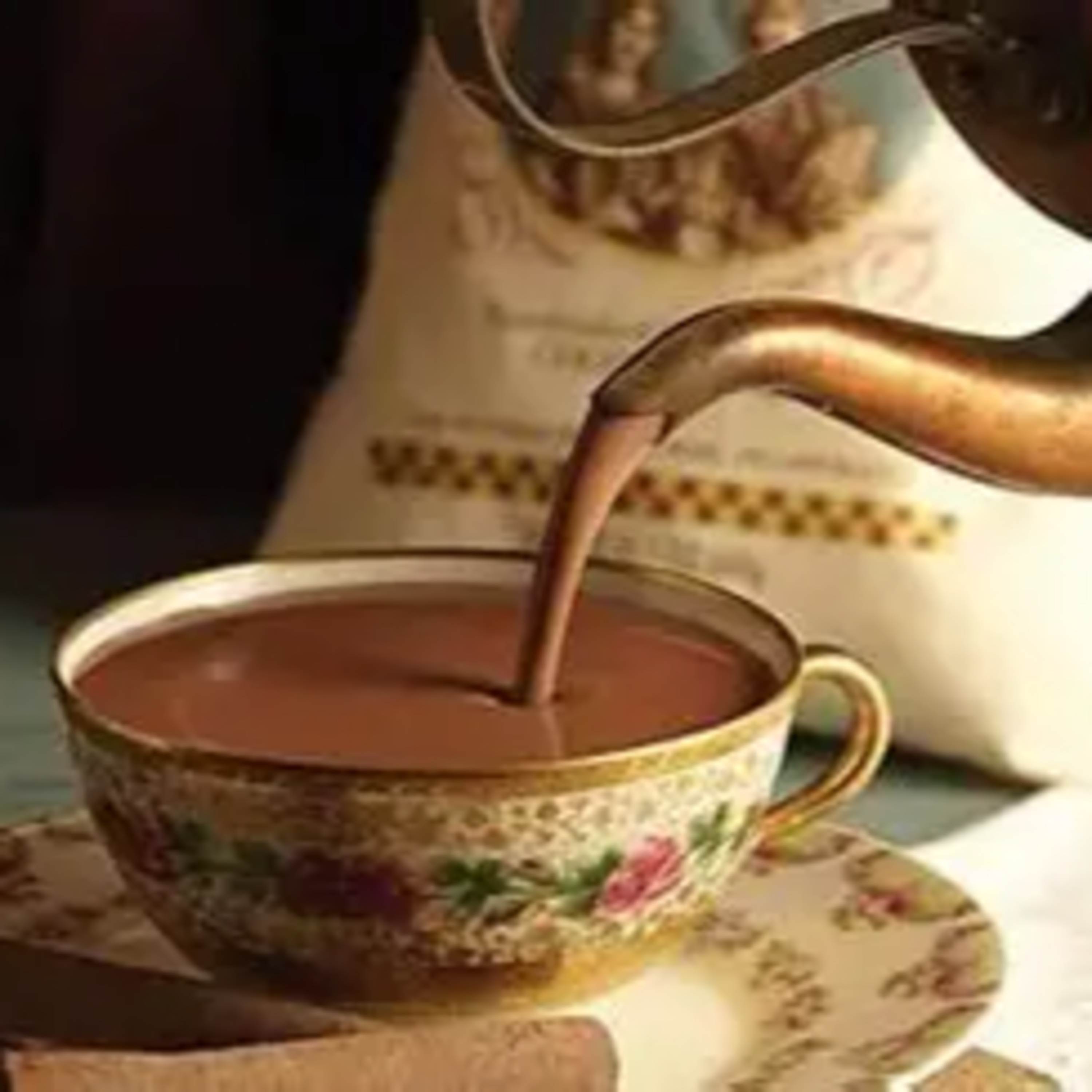
Long before hot chocolate became a sweet holiday treat, it was a thick, sustaining drink that helped people endure cold, labor, and uncertainty. In this episode, we trace the history of chocolate as a beverage through New Jersey, from its Indigenous Mesoamerican origins to Dutch New Netherland kitchens, colonial taverns, Revolutionary War camps, and finally into modern industry.
New Jersey’s rivers, ports, roads, and crossroads made it a natural home for chocolate, not as a luxury, but as an everyday staple. We explore why early drinking chocolate was closer to pudding than cocoa, how Dutch foodways shaped colonial habits in places listeners still recognize today, and why chocolate’s ordinariness is exactly what allowed it to follow people into taverns, trade routes, and war.
From Bergen and the Raritan Valley to Burlington, Trenton, and Freehold, this is the story of a drink that didn’t pass through New Jersey. It stayed.
#NewJerseyHistory #FoodHistory #ColonialAmerica #RevolutionaryEra #CulturalHistory
Email me: njhistorypodcast@gmail.com
Socials: https://linktr.ee/njhistorypodcast
Bibliography
Coe, Sophie D., and Michael D. Coe. The True History of Chocolate. 3rd ed. London: Thames & Hudson, 2013.
Foundational scholarly work on Indigenous cacao use, European adoption, and the transformation of chocolate into a beverage.
Grivetti, Louis Evan, and Howard-Yana Shapiro, eds. Chocolate: History, Culture, and Heritage. Hoboken, NJ: Wiley, 2009.
Authoritative essays on cacao processing, European drinking chocolate, and Atlantic-world trade networks.
Rees, John U. “Soldiers’ Food in the American War for Independence.” In collected essays on Continental Army provisioning and daily life.
Primary research on foodways in Revolutionary-era camps, including references to chocolate as a familiar drink when available.
New Jersey State Archives. Colonial Probate Inventories and Tavern Licenses, 17th–18th Centuries. Trenton, NJ.
Archival records documenting household goods, tavern operations, and material culture in colonial New Jersey, including chocolate pots, mills, and imported foodstuffs.