Episode Description
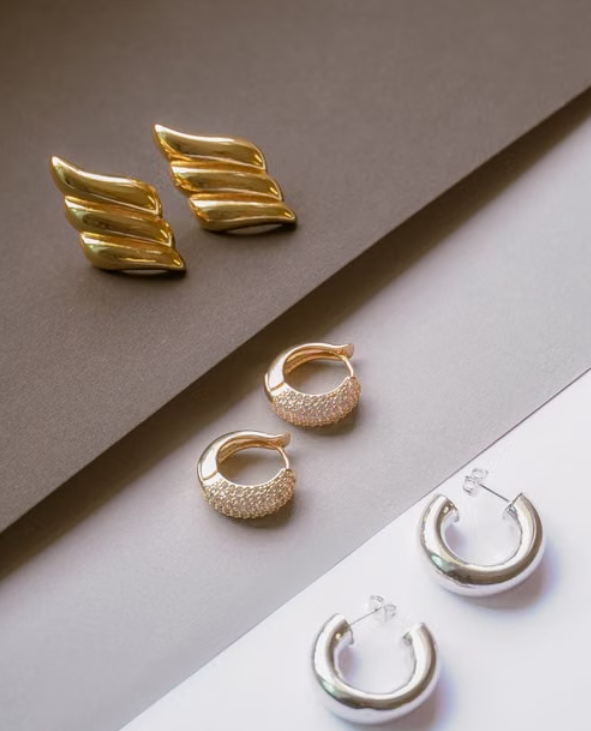
Walk into any conversation about wealth, and gold takes center stage. It’s the headline act, the safe haven, the metal people trust when everything else feels uncertain. Silver is there too, but somehow it always feels like it’s standing just outside the spotlight.
So why does gold get all the glory?
It starts with price. Gold costs significantly more per ounce than silver, and that alone shapes how people think. Higher price often signals higher value in our minds. Even before someone understands the market, they assume gold must be “better” simply because it’s more expensive. Silver, by comparison, feels more accessible, which unfortunately gets mistaken for being less important.
Then there’s scarcity. Gold is rarer than silver, and that rarity adds to its appeal. It’s harder to find, harder to mine, and historically harder to accumulate. That sense of exclusivity feeds into its prestige. Silver is still limited, but it’s more abundant and often mined alongside other metals. It doesn’t carry the same aura of “rare treasure,” even though it’s far from common.
History also plays a huge role. For centuries, gold has been the backbone of wealth systems. Empires hoarded it. Currencies were tied to it. Central banks still hold it as part of their reserves today. When people think of long-term security, gold is the default. Silver has its own monetary history, but over time it shifted into a secondary role. It became supportive rather than central.
And then there’s how each metal is used today.
Gold mostly sits still. It’s stored in vaults, turned into jewellery, or held as an investment. Its value is tied closely to perception and trust. People buy gold to preserve wealth, not to use it in everyday production.
Silver, on the other hand, works.
It’s used in electronics, solar panels, medical equipment, and countless industrial applications. That gives it real-world demand, but it also ties its price to economic activity. When industries slow down, silver can take a hit. When they grow, silver benefits. That connection makes it more dynamic, but also less predictable.
That unpredictability is another reason gold gets more respect.
Silver tends to be more volatile. It can rise quickly, but it can also fall just as fast. For investors who want stability, gold feels safer. It moves more steadily, and that consistency builds confidence over time. Silver’s sharper swings make it feel like a riskier bet, even if it offers bigger upside in certain moments.
Culturally, the gap is even clearer.
Gold has always symbolized success. First place is gold. Championships are gold. Royalty wears gold. It’s deeply embedded in how we define winning and status. Silver, by contrast, is second place. It’s close, but not quite the top. That subtle messaging shows up everywhere, and it shapes how people view the metal itself.
But here’s the interesting part.
Silver isn’t actually “lesser.” It just plays a different role.
It’s more accessible, which makes it a practical entry point for new investors. It has strong industrial demand, which gives it growth potential. And because its market is smaller, it can move faster under the right conditions. In some cycles, silver even outperforms gold.
So the real question isn’t whether silver deserves less attention.
It’s whether we’ve been looking at it the wrong way.
Gold holds the spotlight because it represents stability, tradition, and wealth preservation. Silver operates in the background, powering industries and offering opportunity. One is about holding value. The other is about movement and utility.
Gold gets the glory.
Silver does the work.
And depending on what you’re looking for, that might make silver a lot more interesting than it first appears.