Episode Description
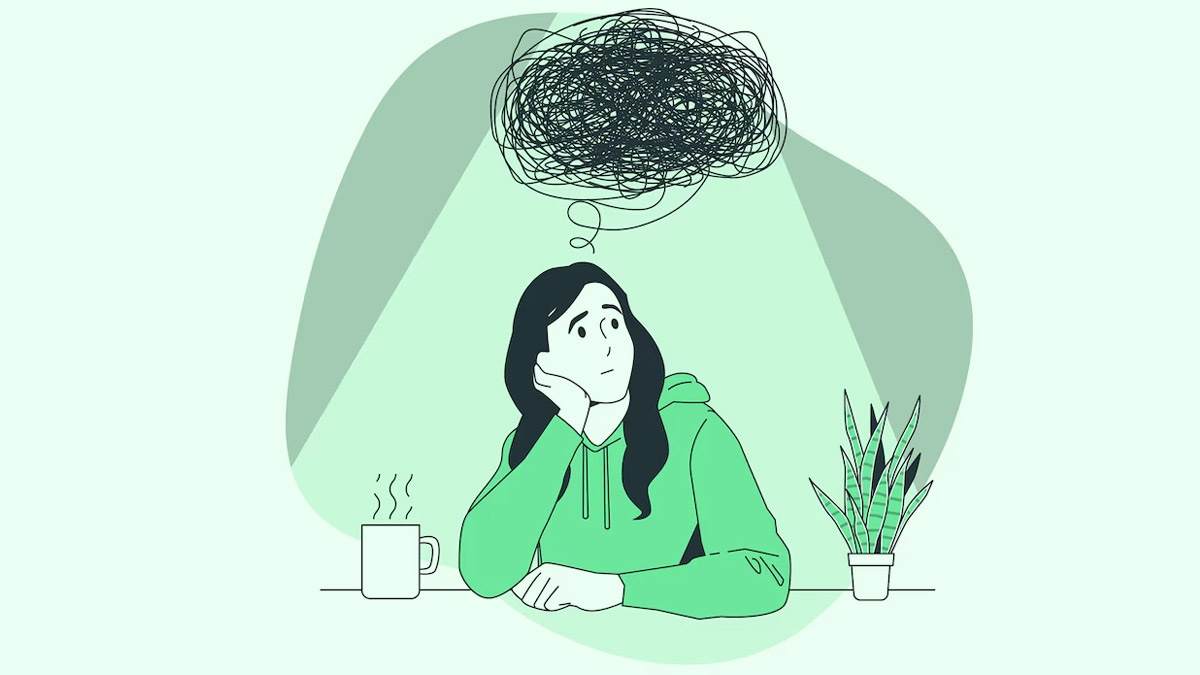
Most people think the real danger is not thinking enough. So they push themselves to analyze harder, revisit the conversation one more time, replay the mistake from every angle, and squeeze every lesson out of every uncomfortable moment. It feels responsible. It feels mature. It even feels productive.
But a lot of the time, the problem is not lack of thought. It is a lack of direction.
That difference matters, especially when life feels uncertain. When you are dealing with a career choice, a relationship shift, or financial stress that makes your stomach drop every time your phone buzzes, reflection can help you regain your footing. Overthinking usually does the opposite. It keeps you mentally busy while leaving you emotionally stuck. That is one reason people looking at difficult financial decisions, including options like bankruptcy debt relief, often need more than information. They need a way to think clearly enough to decide what comes next.
The simplest way to see the difference is this. Reflection is a review. Overthinking is a loop. Reflection asks, “What happened, what did I learn, and what will I do now?” Overthinking asks, “What if I missed something, what if I fail, what if this says something terrible about me?” One creates movement. The other creates friction.
Reflection Is a Skill, Not a Mood
A lot of people wait until they feel calm, wise, or centered before they reflect. That sounds nice, but it is not how real life works. Reflection is a skill you practice in the middle of regular, messy days.
Think about how a coach studies game film. The point is not to sit there feeling ashamed about every missed pass. The point is to notice patterns, adjust strategy, and play differently next time. That same mindset works in everyday life. You are not putting your thoughts on trial. You are gathering evidence.
This angle is helpful because it takes self reflection out of the world of vague self improvement and puts it into the world of usable decision making. Reflection is not meant to become your identity. It is meant to sharpen your next move.
The American Psychological Association defines rumination as excessive, repetitive thinking that interferes with other mental activity, which is exactly why it can feel so consuming and yet so useless. If your mind keeps circling the same fear without producing a decision, a boundary, a conversation, or a plan, that is not insight. That is mental wheel spinning. For a deeper look at what rumination is, the APA Dictionary of Psychology offers a helpful definition of rumination.
Overthinking Pretends to Be Problem Solving
One reason overthinking is hard to spot is that it often wears a smart disguise. It tells you that if you think about the issue long enough, you can avoid regret completely. You can predict every outcome, protect yourself from every surprise, and make the perfect choice.
Of course, life does not work like that.
Overthinking is often less about solving the problem and more about trying to feel safe before acting. That is why it feeds on uncertainty. It keeps whispering that one more hour of analysis will finally bring relief. Usually, it just brings exhaustion.
This is especially common when the stakes feel personal. Maybe you are wondering if you handled an argument badly. Maybe you are ashamed of how long you ignored debt. Maybe you are worried that one poor decision means you are irresponsible, weak, or behind everyone else. In those moments, overthinking stops being about the event itself and starts becoming a referendum on your worth.
Reflection interrupts that spiral by narrowing the frame. Instead of asking, “What does this say about me as a person?” it asks, “What is this situation asking me to understand?”
That one shift is powerful. It turns identity panic into practical attention.
Reflection Starts With Better Questions
Healthy reflection is not endless. It is structured.
That means the quality of your questions matters more than the quantity of your thoughts. If you ask sloppy questions, you usually get anxious answers. Questions like “Why am I like this?” or “What if everything goes wrong?” are not really reflective. They are emotionally loaded traps.
Better reflection sounds more like this:
· What happened?
· What part was in my control?
· What part was not?
· What pattern do I notice?
· What do I need now?
· What is one next step?
These questions are simple on purpose. Reflection works best when it leads to clarity, not performance. You do not need a dramatic breakthrough every time you check in with yourself. Often, the most valuable insight is small. Maybe you notice that you make worse decisions when you are tired. Maybe you realize you say yes too quickly because you hate disappointing people. Maybe you admit that you already know what needs to change, but you have been waiting to feel fearless first.
That is reflection doing its job.
In educational settings, reflective practice is often used to improve future choices by pausing, reviewing, and adjusting rather than reacting on autopilot. The University of Minnesota Extension describes reflective practice as a way to improve quality by stepping back and thinking intentionally about experience, which is a useful model for personal life too. Their overview of reflective practice captures this practical approach well.
You Do Not Need to Solve Your Whole Life at Once
Here is where many people get trapped. They confuse reflection with a demand for total life reconstruction. They sit down to journal about one stressful week and somehow end up questioning every choice they have made since high school.
That is not clarity. That is scope creep.
Reflection works better when it stays specific. If the issue is money, reflect on your money habits. If the issue is burnout, reflect on your schedule, your boundaries, and your energy. If the issue is conflict, reflect on communication, assumptions, and timing. Stay with the actual problem long enough to learn from it, but not so long that it swallows everything else.
This matters because growth is rarely dramatic.
It is usually made of smaller corrections.
· One honest phone call.
· One budget review.
· One apology.
· One boundary.
· One appointment.
· One changed routine.
Reflection helps you see which correction matters most right now.
Overthinking, on the other hand, tries to review the entire map when all you need is the next turn.
The Goal Is Action With Awareness
The healthiest kind of reflection does not end with a perfect conclusion. It ends with a next step you can actually take.
That might mean writing down what you learned after a difficult week. It might mean noticing that your thoughts are getting repetitive and taking a break before returning to the issue. It might mean asking for advice, gathering facts, or making a decision even though you still feel uneasy.
This is the part people often miss. Reflection is not valuable because it keeps you in conversation with yourself forever. It is valuable because it helps you act with more awareness and less self betrayal.
You are allowed to pause and think deeply. You are allowed to revisit your choices, learn from mistakes, and notice patterns in your behavior. None of that is weakness. None of that is wasted time.
The key is whether your thinking is opening a door or wearing a groove in the floor.
· If it leads to learning, honesty, and a clearer next step, that is reflection.
· If it leaves you drained, doubtful, and no closer to action, that is overthinking.
And knowing the difference can save you a lot more than time. It can save your energy, your confidence, and your ability to move forward when life asks you to.