Episode Description
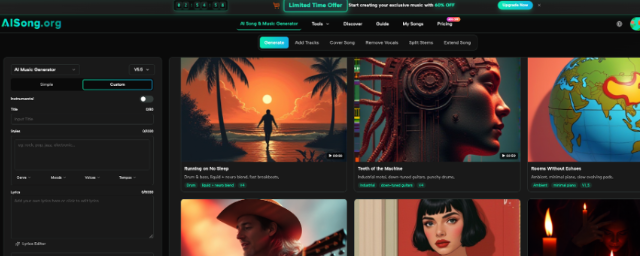
A podcast can have a strong host, a clear topic, and good editing but still feel unfinished when every episode begins and ends abruptly. Music can create structure, signal a transition, or give a trailer more personality. The challenge is choosing music that supports the show without overshadowing the conversation. AI Song lets creators start from a text description or lyrics and generate music around that direction. For podcasters, it helps to think in small jobs: an intro needs recognition, a transition needs clarity, and a promo may need more energy. One track does not have to solve every problem.
Decide What the Music Is Supposed to SignalPodcast music works best when listeners quickly understand what it means. The opening theme says, “the show is starting.” A short transition can say, “we are moving to a new topic.” An outro can create a clean ending.
Before generating anything, name the job.
For example, a technology interview show might need a short instrumental opening that feels curious and modern. A comedy podcast may want something playful, while a history show may prefer a restrained cinematic tone.
The genre matters less than the relationship between the music and the host’s voice.
If the host speaks slowly and thoughtfully, an extremely busy track may feel impatient. If the show is quick and conversational, a long atmospheric intro can make the opening drag.
Three Places Where Custom Music Can Improve a PodcastMusic should solve an editing or listener-experience problem. Adding it everywhere usually makes the episode feel busier, not better.
1. The Intro Theme
A podcast intro does not need to be long to become recognizable. The key is consistency.
Look for a clear opening sound, a simple musical idea, and enough space for the host to speak if the introduction overlaps the music. Instrumental versions are often easier to place under a spoken show title or episode tease.
When writing the music brief, describe the show rather than using vague adjectives. “Conversational science podcast for curious adults, warm electronic sound, steady pace, optimistic but not corporate” gives more context than “inspiring intro music.”
Test the theme across different episode types. If it feels wrong for a serious topic, it may be too specific.
2. Segment Transitions
A transition cue only needs to tell the listener that something has changed.
For recurring sections, create a short direction related to the main theme but simpler. It might appear before listener questions, a news roundup, or a closing recommendation. A recognizable rhythm or texture can be enough.
This is a useful place to experiment with this AI Music Generator because you can describe the mood in plain language and compare options before choosing a direction that sits naturally between spoken sections.
3. Trailers and Social Promos
Promotional clips need to establish the mood quickly and support tighter edits. A narrative trailer may use tension and a controlled build. A sports show may want something punchier, while a relaxed interview clip could use a simple groove behind the guest quote.
The important question is whether the music helps the clip move. If the soundtrack forces you to cut a strong quote too quickly, it is working against the content.
Build the Prompt Around the VoicePodcasters spend a lot of time thinking about microphone sound, room tone, and speech clarity. Music should be judged with the same attention.
Start by describing the voice. Is the host calm, energetic, dry, warm, or fast-paced? Then choose music that complements rather than copies that quality.
A calm host may benefit from a gentle rhythmic bed. An energetic host may need simpler music so the opening does not become crowded.
A useful prompt structure is:
show type + host tone + music role + style + intensity + what to avoid
Example:
“Instrumental intro for a weekly film discussion podcast with two casual hosts. Warm indie-electronic style, medium energy, memorable opening, and enough space for spoken dialogue. Avoid a dramatic cinematic buildup.”
The “what to avoid” part is valuable because it protects the edit from common problems.
Keep Spoken Audio in First PlaceThe human voice is the main event in most podcasts. Music should not make listeners work harder to understand it.
When testing a track, place it under real speech from the show.
Listen for three problems:
- The track has too much activity in the same range as the voice;
- A musical change pulls attention away from an important sentence;
- The intro sounds exciting alone but becomes tiring under dialogue.
If any of these happen, simplify the musical direction or use the track only before the host begins speaking.
Vocals also need care. AISong can work from lyrics, which may suit a jingle, parody segment, or special promo. For a standard spoken intro, another singing voice may compete with the host.
Create a Small Set Instead of One “Perfect” TrackA podcast may benefit from several related pieces rather than one track stretched across every situation.
Think of a small audio set:
Use
What It Should Do
Intro
Establish recognition quickly
Transition
Mark a section change without interrupting flow
Outro
Signal closure and leave room for final remarks
Promo
Add energy to a short edited clip
These pieces do not need to be identical. They only need enough shared character that they feel like they belong to the same show.
You might keep the same general style while changing intensity. The intro could be medium energy, the transition minimal, and the promo more active.
This is more flexible than forcing one song into every episode slot.
Avoid the Most Common Podcast Music MistakesThe first mistake is choosing music based only on personal taste. You may love aggressive rock or cinematic orchestration, but the track still needs to fit the show.
The second is making the intro too long. If listeners hear the same extended opening every week, it can become something they skip.
The third is putting music under every spoken moment. Silence and room tone can make a conversation feel more direct.
The fourth is changing the theme too often. Recognition comes from repetition. Once you find an intro that fits, give listeners time to associate it with the show.
The fifth is ignoring episode variety. A comedy show may occasionally cover a serious topic. A business podcast may host a personal interview. Test whether the music is broad enough to survive those changes.
Review the Music Like an EditorBefore settling on a track, listen to it in three contexts: the beginning of a normal episode, a more serious episode, and a short promo.
Then ask whether the music still feels appropriate.
A simpler track that fits the host and structure is more useful than a dramatic track that constantly demands attention.
Note exactly what you want to change. “Too corporate,” “too much percussion under the first sentence,” or “opening takes too long to become recognizable” are useful observations. “Needs more personality” is harder to act on.
ConclusionPodcast music works best when it gives listeners useful signals without getting in the way of the people speaking. Define the job first, then create separate directions for an intro, transition, outro, or promo instead of searching for one track that does everything. Test every choice under real dialogue, keep repeated elements simple enough to remain comfortable over many episodes, and use lyrics only when the format genuinely benefits from them. A strong theme does not need to announce itself loudly; it only needs to feel unmistakably connected to the show. Take one recent episode, add a short musical opening and one transition cue, and listen to how the structure changes.