Episode Description
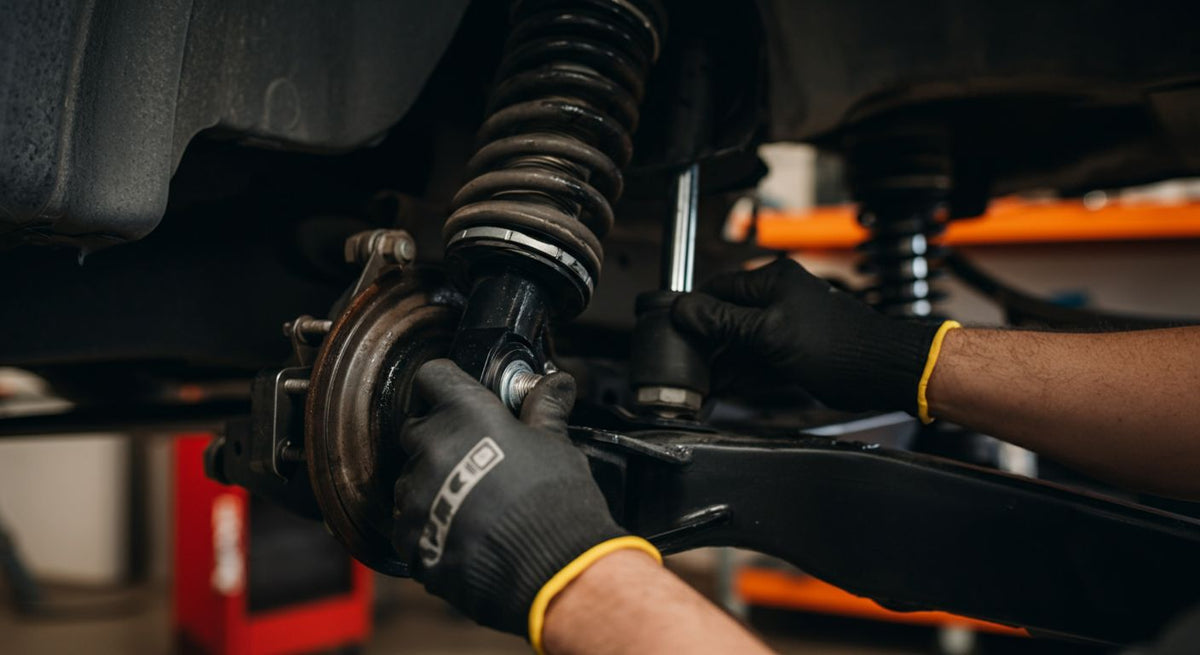
Towing season is a good reason to inspect the whole truck-and-trailer setup, including the helper-spring system. On air suspension trucks, a small air leak, a line rubbed thin by a bracket, or hardware that has settled after installation can become harder to diagnose once the truck is loaded and the trailer is connected.
For drivers comparing vehicle-specific hardware and control options, Retrue offers a useful place to review available configurations.
The goal is not to chase a universal pressure number. The correct pressure, hardware torque, routing, and operating limits depend on the exact kit and vehicle. Start with the instructions for the installed system, confirm vehicle-specific fitment, and keep the truck within its published ratings. Helper air springs can support a loaded suspension, but they do not increase GVWR, GAWR, GCWR, tire ratings, axle ratings, braking capacity, or legal payload. Air Lift likewise states that adding air springs does not change those vehicle weight ratings. Air Lift FAQ
Start with a clean, unloaded inspectionPark on level ground, chock as appropriate, and let hot exhaust components cool. If the truck has recently been driven in rain, mud, or road salt, rinse and dry the area first. Dirt can conceal a loose fitting, a damaged air line, or a contact point between a spring and nearby hardware.
Use a flashlight and inspect both sides. If your system has independently adjustable left and right circuits, check each side separately rather than assuming one gauge reading represents both springs.
Pre-tow inspection checklist• Confirm the kit matches the truck, suspension configuration, and current ride-height setup.
• Compare the present pressure with the minimum and maximum limits in the kit manual.
• Inspect each air spring for cracking, chafing, unusual bulges, or contact with adjacent parts.
• Check air lines, fittings, valves, compressor connections, and wiring where fitted.
• Look for shifted brackets, missing hardware, or bright rubbed areas that indicate movement.
• Verify clearance through the expected suspension travel range.
• Recheck pressure and system behavior after the first loaded test drive.
Do not work beneath a truck supported only by a jack. Use properly rated support equipment if the inspection requires the vehicle to be raised.
Check pressure before connecting the trailerPressure is a setup variable, not a substitute for loading correctly. With the truck unloaded, measure both sides with a reliable gauge and compare the readings with the manufacturer’s instructions. Then inspect again after hitching and loading, when the suspension is carrying the conditions that matter.
Do not exceed the maximum pressure specified for your particular kit. For context, Firestone lists different maximum pressures for different helper-spring product lines, which is why a generic limit is not a safe maintenance rule. Firestone Air Helper Spring Kits
If pressure has dropped since the prior use, do not simply refill and leave. A slow loss may come from a valve core, push-to-connect fitting, air line cut, compressor connection, or the air spring itself. Record the cold pressure, add air only within the applicable instructions, and see whether the reading changes after a defined interval.
Find leaks methodicallyA soapy-water solution is a practical first check. With the system pressurized within its approved range, apply solution to fittings, valve stems, line connections, and accessible spring surfaces. Growing bubbles point to a leak. Wipe the area clean afterward so residue does not collect grit.
Work from the inflation point toward the air spring:
1. Check the valve stem or onboard-air connection.
2. Inspect each fitting and tee, if used.
3. Follow every line to find cuts, kinks, crushed sections, or pulled-out connections.
4. Check the spring bead area and accessible rubber surfaces.
5. Repair only with components and methods approved by the kit manufacturer, then repeat the test.
Avoid tightening or cutting parts by guesswork. Some fittings seal through correct insertion depth rather than brute force, and an overtightened fitting can create a new problem.
Inspect routing, abrasion, and moving clearancesAir lines should be supported and protected along their route. Look closely where lines pass a frame edge, bed support, shock mount, brake-line bracket, exhaust heat shield, or suspension component. A line can appear fine at normal ride height yet stretch, pinch, or rub when the axle moves.
Check for these warning signs:
• Shiny marks on metal or polished spots on a line.
• Flattened, kinked, or tightly bent tubing.
• Zip ties that have loosened, become brittle, or pull a line against an edge.
• Heat exposure near exhaust components.
• A line hanging low enough to catch road debris.
Inspect the air springs themselves for full-travel clearance. Look for scuffing on the bellows, bracket edges that have migrated, and contact with bump stops, tires, brake components, or axle hardware. Follow the manufacturer’s procedure for checking clearances; do not assume a static visual check confirms adequate travel clearance.
Check brackets and fasteners without improvising torqueA seasonal inspection should include upper and lower brackets, U-bolts or axle straps where applicable, mounting bolts, nuts, and line-retaining hardware. Look for loose or missing fasteners, elongated holes, shifted washers, corrosion, and paint disturbance around a bracket.
Use the torque values and tightening sequence in the specific installation manual. Do not borrow values from another truck, kit, or forum post. The parts may look similar while the brackets, fastener sizes, and vehicle attachment points differ.
If you find a bracket that has moved, an air spring that is no longer centered, or a fastener that repeatedly loosens, pause towing setup until the cause is identified. Re-tightening alone may not correct an installation or clearance issue.
Load the truck and make a controlled test driveAfter the visual inspection, hook up the trailer according to normal safe practice. Verify trailer loading, hitch setup, tire condition and pressures, lighting, safety chains, breakaway equipment, and brake-controller operation separately from the air-spring check.
Set helper-spring pressure only as directed by the manufacturer and assess the truck on level ground. The aim is a stable, properly configured setup, not to mask an overloaded vehicle or an incorrect hitch adjustment. Reconfirm that all truck, axle, tire, hitch, trailer, and braking limits are respected.
Drive a short, familiar route before the trip. Start at low speed, then include smooth turns, moderate braking, and ordinary road irregularities where legal and safe. Listen for clunks, rubbing, air-compressor cycling that seems abnormal, or a change in steering response. After the drive, inspect both sides again and check pressure.
Air Lift’s general guidance recommends checking air-spring pressure regularly and keeping within the system’s instructions. Simple Guidelines of Air Suspension That routine is especially useful before a first tow of the season, when a truck may have sat through temperature swings or months without suspension movement.
When to stop and investigateDo not leave for a towing trip if you find an active leak, damaged bellows, crushed air line, missing hardware, exhaust contact, tire contact, or unexplained ride-height change. A qualified installer or the kit manufacturer can help determine the correct repair path.
For replacement parts or a vehicle-specific setup, begin with the product documentation and verify the exact application. Retrue offers vehicle-specific helper-spring kits and onboard-air-related components, but fitment and pressure limits must be confirmed for the individual truck and kit.
FAQDo truck air bags increase my truck’s towing or payload ratings?No. Helper air springs may help support the suspension under a load, but they do not change the vehicle’s published weight ratings or other limiting ratings. Keep the entire combination within the applicable manufacturer limits. Air Lift FAQ
How often should I check air pressure?Check it before towing and periodically during use, following the instructions for your specific system. A pressure change should prompt a leak inspection rather than repeated top-offs.
Can I use one pressure setting for every load?No. Load, hitch setup, truck configuration, and the specific air-spring system all matter. Use the kit manufacturer’s instructions and evaluate the setup with the actual load attached.
What is the most common routing problem to look for?Look for air lines or bellows that contact moving suspension parts, sharp edges, tires, or heat sources. Check not only at parked ride height but also as directed for suspension travel.